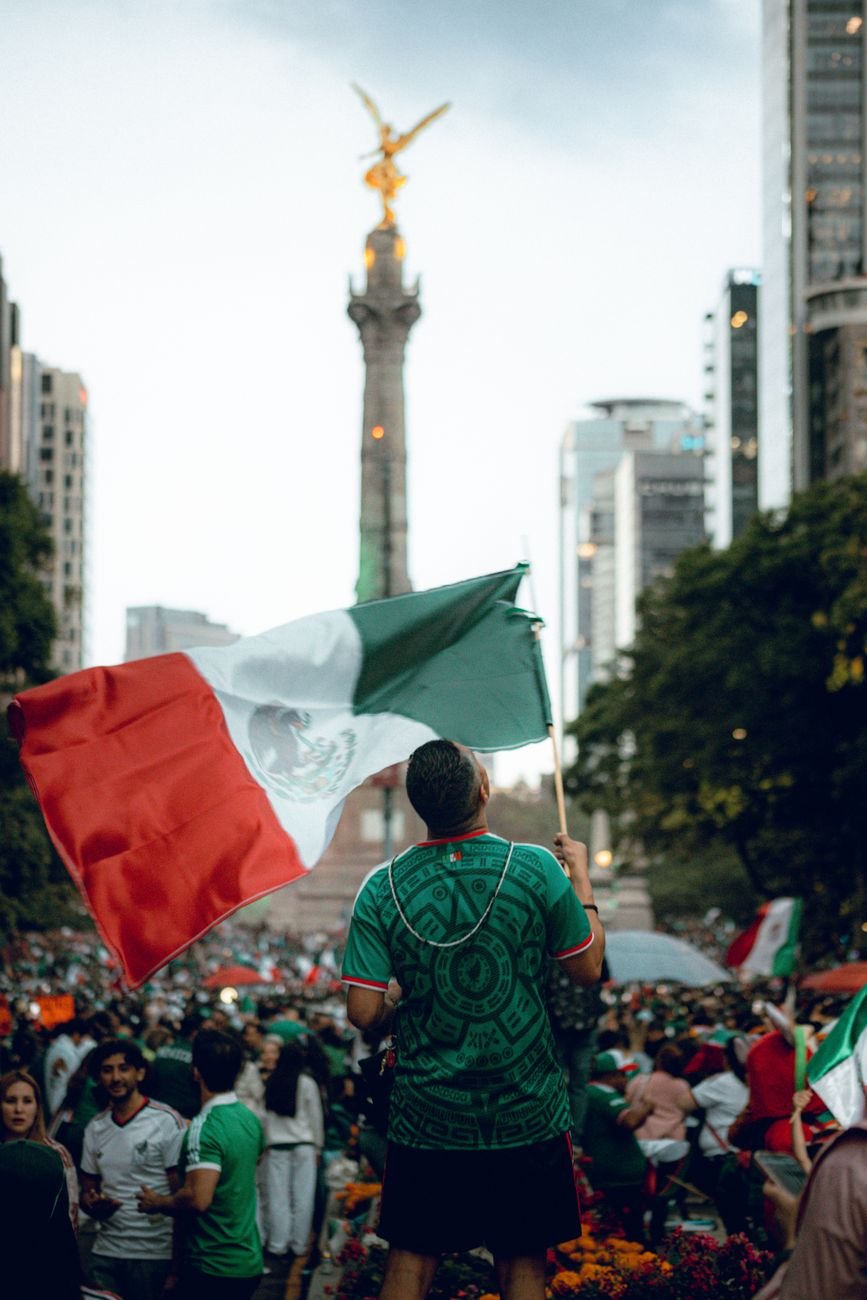
Mexico is not categorically deemed persecutory under U.S. asylum law. Here is how cartel violence, state protection, and border policy shape Mexican claims.
Cartel Violence Is Not Automatically an Asylum Claim. Here’s Why.
Does Mexico Have State-Sponsored Persecution?
Mexico does not receive a blanket designation under U.S. asylum law as a country that practices state-sponsored persecution. But Mexican nationals can still qualify for asylum when they show that government officials persecuted them—or that Mexican authorities were unable or unwilling to protect them from persecution tied to a protected ground, such as political opinion, religion, nationality, race, or membership in a particular social group.
That distinction is central to asylum claims involving cartel violence. Organized-crime threats, extortion, kidnapping, and generalized insecurity can be severe, yet they do not automatically meet the legal definition of persecution. The case turns on who is targeting the applicant, why they are targeted, what protection was realistically available, and whether the applicant could safely relocate within Mexico.
Key Arguments or Claims
- U.S. law does not treat cartel violence alone as state-sponsored persecution; a connection to government action, acquiescence, or inability to control is required.
- Evidence of official corruption or complicity with cartels can meet the “unable or unwilling” standard in individual cases.
- Claims based solely on generalized insecurity or ordinary crime rarely succeed.
- Particular social group formulations (for example, Mexican women unable to leave abusive relationships in certain contexts, or specific professional groups targeted by cartels) face strict scrutiny and varying judicial acceptance.
- Convention Against Torture claims offer a narrower alternative path when torture by or with the acquiescence of public officials is shown.
What U.S. Asylum Law Requires
U.S. law allows asylum for people who have suffered persecution, or have a well-founded fear of future persecution, because of one of five protected grounds:
- Race
- Religion
- Nationality
- Political opinion
- Membership in a particular social group
The applicant must also be physically present in the United States or have arrived at its border, must apply through USCIS or immigration court, and must not be subject to a statutory bar. U.S. law does not reserve asylum for nationals of particular countries; Mexican nationals may apply under the same legal framework as other applicants.[uscis]
The central legal question is therefore not whether Mexico as a whole is “persecuting” its population. It is whether a particular applicant can establish a qualifying risk of targeted persecution.
For claims involving police, soldiers, municipal officials, or other state actors, the evidentiary path may be more direct. An applicant may argue that the persecution was carried out by the government or with official involvement.
For claims involving cartels or criminal organizations, the applicant generally must establish two separate points:
- The harm is persecution rather than ordinary crime or generalized violence.
- Mexican authorities were unable or unwilling to control the persecutor, or officials were complicit in the harm.
USCIS training materials state that an applicant does not have to prove direct government participation when the persecutor is a nongovernment actor. But the applicant must demonstrate that the home government could not or would not provide protection, usually by showing that they sought help or had a reasonable explanation for not doing so.[2]
Is Cartel Violence Government Persecution?
Cartel violence is not automatically state-sponsored persecution under U.S. asylum law. The legal system distinguishes between criminal violence—even widespread criminal violence—and persecution carried out because of a protected characteristic.
That line can be difficult to apply in Mexico, where criminal organizations can exercise substantial territorial influence and where local corruption may limit state capacity. State Department country reporting has documented arbitrary killings, disappearances, torture, restrictions on press freedom, corruption, gender-based violence, and credible allegations of collusion between criminal groups and authorities.[uscis][state]
Those conditions can support an individual claim. They do not, however, create an automatic presumption that every person threatened by a cartel has been persecuted by the Mexican state.
A stronger Mexican asylum claim may involve evidence such as:
- Threats or violence directed at a journalist, activist, public official, prosecutor, police officer, witness, or anti-cartel organizer because of their work or views.
- Police refusal to take a report, disclosure of an applicant’s location to criminals, or documented official participation in threats or abuse.
- Repeated failed efforts to obtain protection from local, state, or federal authorities.
- Country-condition evidence linking officials in a particular region to criminal groups.
- Proof that internal relocation would not be safe or reasonable because the persecutor has national reach, access to official records, or a demonstrated ability to locate the applicant elsewhere.
A claim is generally weaker when it rests only on economic extortion, broad fear of criminality, recruitment pressure, or the dangerous conditions faced by a large share of the public. Those facts may be serious and may support other forms of immigration relief in some cases, but asylum requires a legally sufficient connection between the harm and a protected ground.
How Officers Evaluate Mexican Claims
Asylum officers and immigration judges decide Mexican cases individually. They assess credibility, corroborating records, country conditions, prior encounters with authorities, the motives of the alleged persecutor, and the feasibility of internal relocation.
The fact that Mexico has functioning national institutions, including criminal laws and formal protection systems, can matter in an adjudication. So can evidence that those institutions failed in a specific locality or for a specific person. An applicant is not expected to pursue protection that would expose them to greater danger, but a failure to report threats without explanation may weaken a claim.
The question often becomes whether the government’s failure was isolated, systemic in the applicant’s region, or connected to official complicity. State Department reporting has repeatedly described disappearances and violence in cartel-affected areas, including allegations of collusion with authorities, while also recognizing Mexico’s legal asylum and protection framework.[5][state]
Asylum outcomes for Mexican nationals have historically been comparatively difficult. Immigration-court data cited by the Transactional Records Access Clearinghouse showed a 16.6 percent grant rate for Mexican applicants in October 2024, below the overall rate reported at that time. That figure is not a prediction for any individual case: grant rates can vary sharply by court, judge, legal representation, filing type, and the facts presented.[state]
Migration Under Biden
Border Volumes and Nationality Shifts
Migration during the Biden presidency followed several overlapping trends: recovery from the pandemic-era Title 42 system, historically high southwest-border encounters, a more diverse migrant population, and major changes in legal-access and enforcement policies.
CBP recorded approximately 1.66 million southwest-border enforcement encounters in fiscal year 2021. Mexican nationals accounted for 37 percent of those encounters, and 92 percent of Mexican migrants encountered that year were expelled under Title 42, the public-health authority used extensively during the pandemic.[8]
By fiscal year 2023, southwest-border encounters reached roughly 2.5 million, according to Congressional Research Service reporting. Encounters remained elevated at about 2.1 million in fiscal year 2024. The migration flow also became less Mexico-centered than in prior decades, with significant numbers of people arriving from Venezuela, Cuba, Haiti, Nicaragua, Ecuador, Colombia, and countries outside the Western Hemisphere.
Mexican nationals nevertheless remained a major component of the flow. CBP-based analysis found that Mexican citizens represented more than one-quarter of reported U.S. border encounters from October 2020 through June 2024.[tracreports]
Asylum Access and Restrictions
The Biden administration expanded some lawful-entry pathways while also introducing restrictions as encounter levels rose. Its use of the CBP One appointment system sought to channel certain prospective asylum seekers toward ports of entry rather than irregular crossings.
In June 2024, the administration issued a presidential proclamation and interim rule limiting access to asylum when average crossing levels exceeded specified thresholds. In the first month after the measure took effect, Border Patrol reported 83,536 encounters between ports of entry, while total southwest-border irregular encounters—including people arriving at ports without a CBP One appointment—fell to 88,612.[congress]
The policy environment had a practical effect beyond the merits of a Mexican asylum claim. A person’s ability to reach an asylum screening, enter the United States, or file a full application could depend on border-processing rules even before an officer or judge considered whether cartel-related harm met the statutory standard.
The Biden-Era Asylum Backlog
The broader asylum system grew sharply during the period. EOIR received 897,633 defensive asylum applications in fiscal year 2024, the highest annual total in the available series dating to fiscal year 1996. That increase reflected more than Mexican cases, but it shaped wait times, court dockets, and the conditions under which all nationalities pursued relief.
For Mexican applicants, the core legal challenge remained consistent: documenting individualized persecution and government failure, rather than relying solely on the country’s broad security problems.
Migration Under Trump’s Second Presidency
A More Restrictive Entry Framework
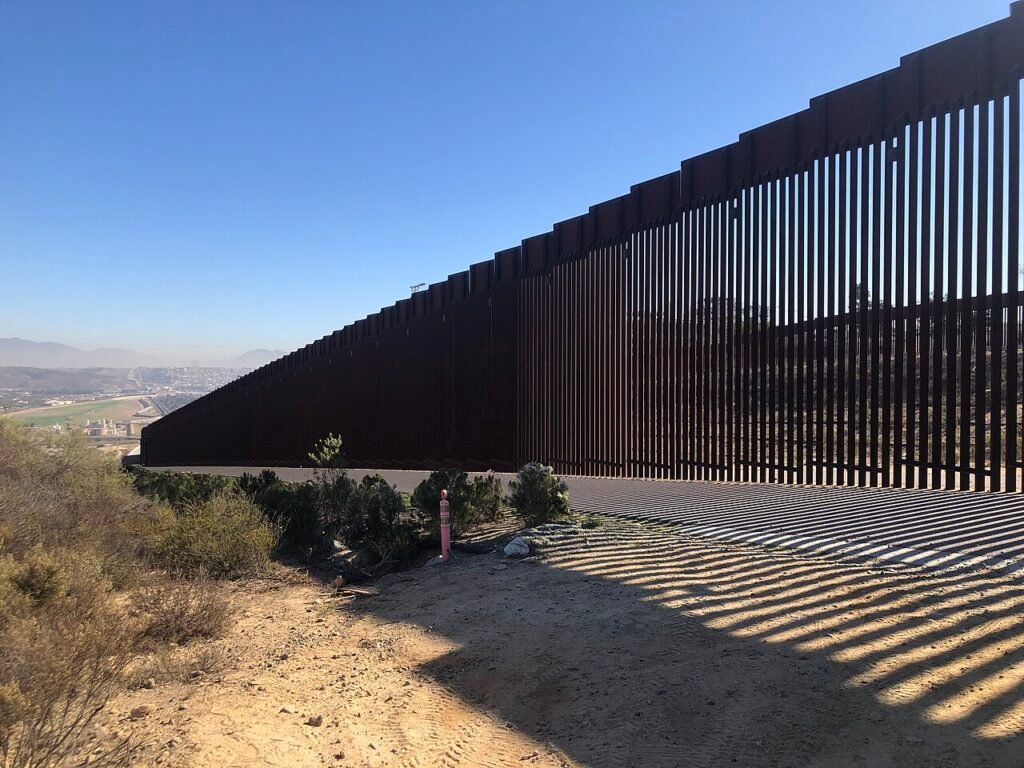
The second Trump administration began in January 2025 with a much more restrictive southern-border agenda. An executive order titled “Securing Our Borders” directed federal agencies to end use of the CBP One app as a parole or entry-facilitation mechanism, terminate specified categorical parole programs, expand detention, and take steps to resume the Migrant Protection Protocols, under which certain non-Mexican migrants can be returned to Mexico while their U.S. cases proceed.[usafacts]
A related January 2025 proclamation suspended the entry of noncitizens characterized by the administration as participating in an “invasion” at the southern border, subject to legal challenges and implementation limits. Congressional Research Service analysis also noted the administration’s suspension of refugee admissions for at least 90 days pending review.[cbp]
The policy distinction matters. Refugee resettlement is an overseas admissions process, while asylum applies to people who are in the United States or who have arrived at the border. Still, changes to processing, parole, detention, return-to-Mexico practices, and entry restrictions can substantially affect whether potential asylum seekers get an opportunity to make their cases.
Lower Encounter Levels
Border encounters fell markedly in early 2025. CBP reported 7,181 Border Patrol apprehensions between ports of entry at the southwest border in March 2025, a 14 percent monthly decline.
Later reporting indicated that southwest-border encounters in fiscal year 2025 were 79 percent below fiscal year 2024. The decline followed a downward trend already visible after the Biden administration’s June 2024 restrictions, making it difficult to assign the full change to a single administration or policy.[whitehouse]
The operational result was nonetheless clear: fewer arrivals meant fewer people were entering the pipeline for asylum screenings, release, removal proceedings, or defensive asylum applications.
Mexican Claims in a Changed System
For Mexican nationals, the legal theory of asylum did not disappear. A Mexican applicant can still argue persecution by state actors, official collusion with criminal groups, or a government’s inability or unwillingness to protect against a cartel.
But a more restrictive border-processing environment raises the importance of access. Even applicants with potentially strong claims may face fewer pathways to present themselves for screening. Others who are placed directly into removal proceedings may have to advance their asylum case defensively before an immigration judge rather than through an affirmative USCIS process.
At the same time, a lower encounter volume does not resolve the underlying country-condition question. State Department reporting continues to describe serious human-rights concerns in Mexico, including disappearances, abuses by security forces, threats against journalists, and allegations of collusion between criminal groups and officials.
Implications for the Immigration Debate
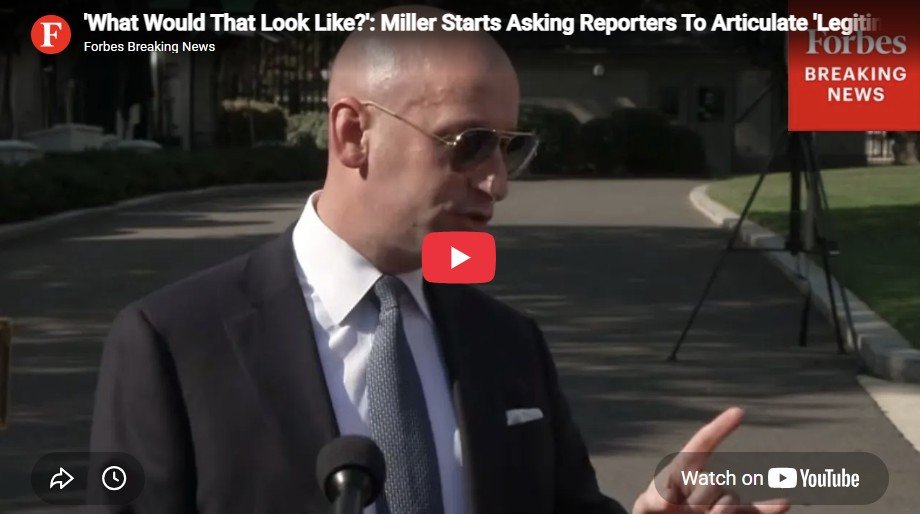
Stephen Miller recently said it about Mexico – The phrase “state-sponsored persecution” can obscure more than it explains. Mexico is not treated in U.S. law as a universally persecutory state, and cartel violence alone does not establish asylum eligibility. Yet state involvement is not limited to a formal national policy of repression.
In individual cases, the relevant evidence may show direct official abuse, corruption, deliberate nonprotection, or an inability to control violent nonstate groups. Those facts can satisfy the government-protection element when paired with proof that the applicant was targeted because of a protected ground.
The policy debate is therefore likely to remain divided along two questions:
- Whether current U.S. border policies provide meaningful access to people with potentially valid protection claims.
- Whether asylum adjudication can reliably distinguish between generalized insecurity and individualized, legally cognizable persecution.
For policymakers, the challenge is institutional as much as ideological. Restrictive entry policies may reduce encounter totals and limit unauthorized crossings, but they also determine how and whether asylum claims are screened. Meanwhile, country conditions in Mexico ensure that some claims will continue to raise credible questions about state complicity, protection failures, and the limits of internal relocation.
Sources
U.S. Citizenship and Immigration Services. “Refugees and Asylum.” U.S. Citizenship and Immigration Services, 27 Aug. 2025, https://www.uscis.gov/humanitarian/refugees-asylum.
U.S. Department of State. “2024 Country Reports on Human Rights Practices: Mexico.” U.S. Department of State, 2 Sept. 2025, https://www.state.gov/reports/2024-country-reports-on-human-rights-practices/mexico.