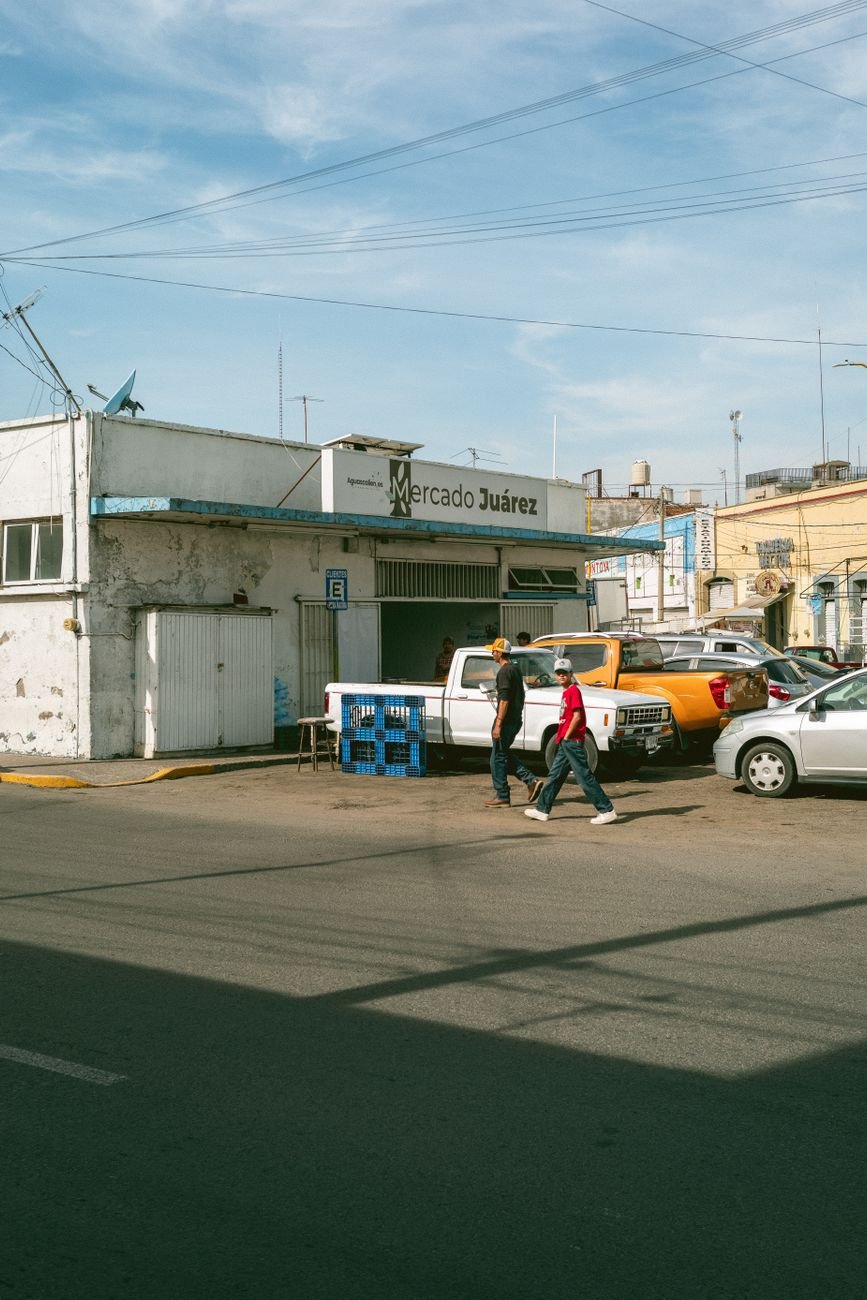
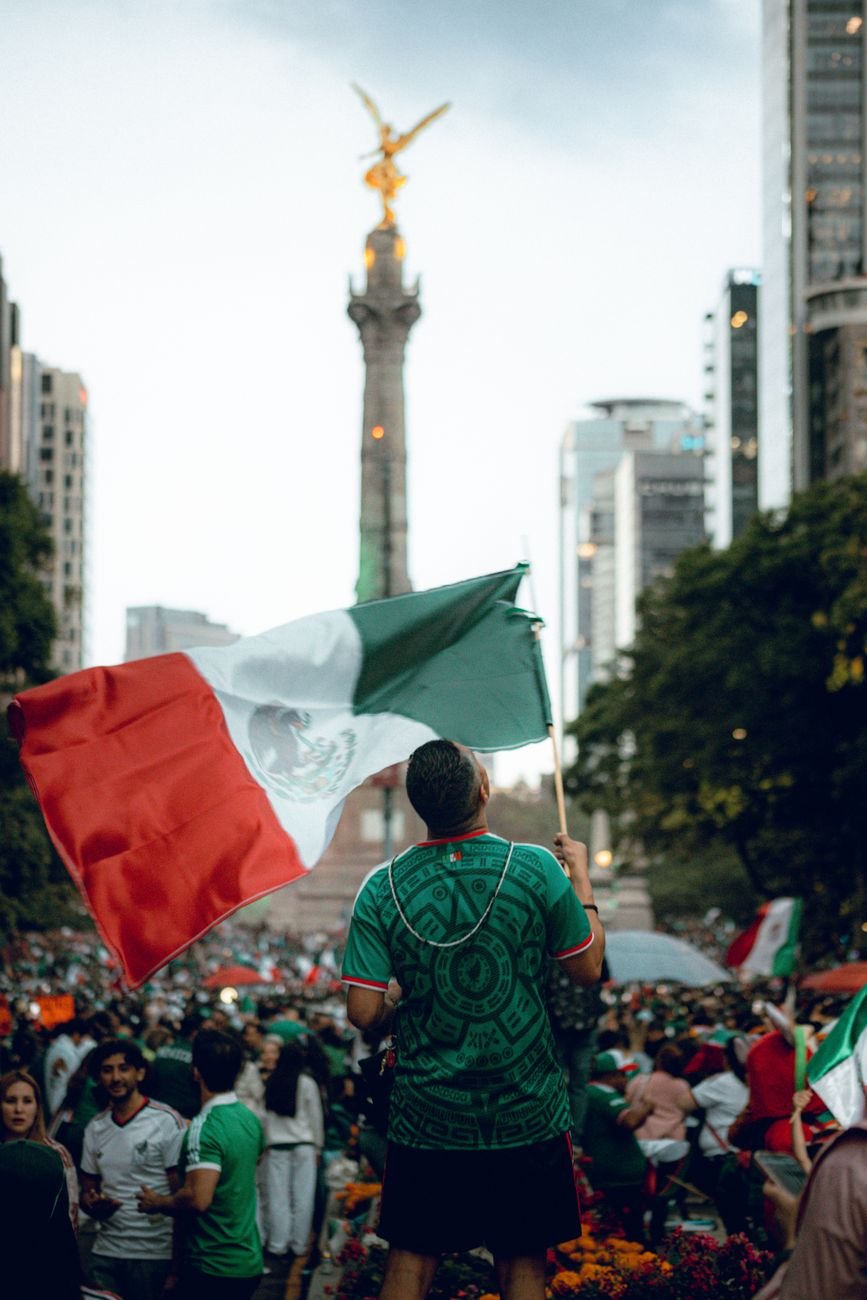
Mexico’s cartels grew from cross-border trafficking networks into diversified power centers embedded in local economies and governance gaps. Their resilience reflects corruption, institutional fragmentation, U.S. drug demand, weapons trafficking, and the difficulty of rebuilding state authority at the local level.
Breaking News
Latest Posts
What’s the Story Behind Mexico’s Drug Cartels — and Why Can’t Mexico Fix This Problem?
Mexico’s cartels grew through trafficking, corruption, weak policing, and U.S. demand. Here is why military…
Does Mexico Have State-Sponsored Persecution Under U.S. Law?
Mexico is not categorically deemed persecutory under U.S. asylum law. Here is how cartel violence,…
How the Brain Learns to Read (it wasn’t supposed to be this way)
Reading is an evolutionary newcomer. The brain meets the challenge not with a dedicated reading…
Does Mexico Have State-Sponsored Persecution Under U.S. Law?
Mexico is not categorically considered a state-sponsor of persecution under U.S. asylum law. But Mexican asylum claims can succeed when applicants establish targeted harm by officials or show that authorities could not or would not protect them from legally qualifying persecution.
How the Brain Learns to Read (it wasn’t supposed to be this way)
Reading is an evolutionary newcomer. The brain meets the challenge not with a dedicated reading center, but by adapting systems built for sound, vision and […]
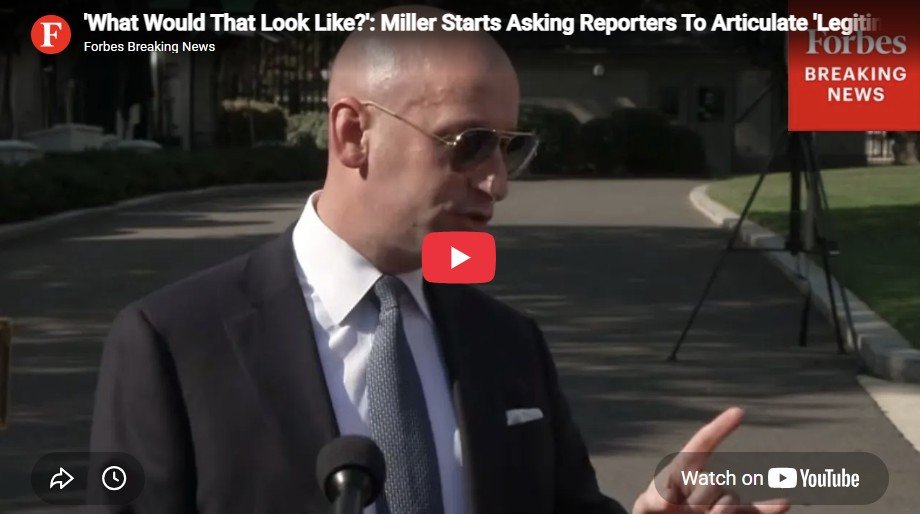
Stephen Miller Spars With Reporters Over Asylum Claims in Fiery White House Exchange
White House Deputy Chief of Staff Stephen Miller clashed with reporters during a tense press briefing, arguing that many asylum claims from Mexico and Central America are legally “frivolous” and financially burdensome. Miller defended federal agencies’ handling of immigration cases while pushing for a stricter interpretation of asylum law.
Iran Today: War Pressures, Regional Diplomacy, and New Economic Fault Lines
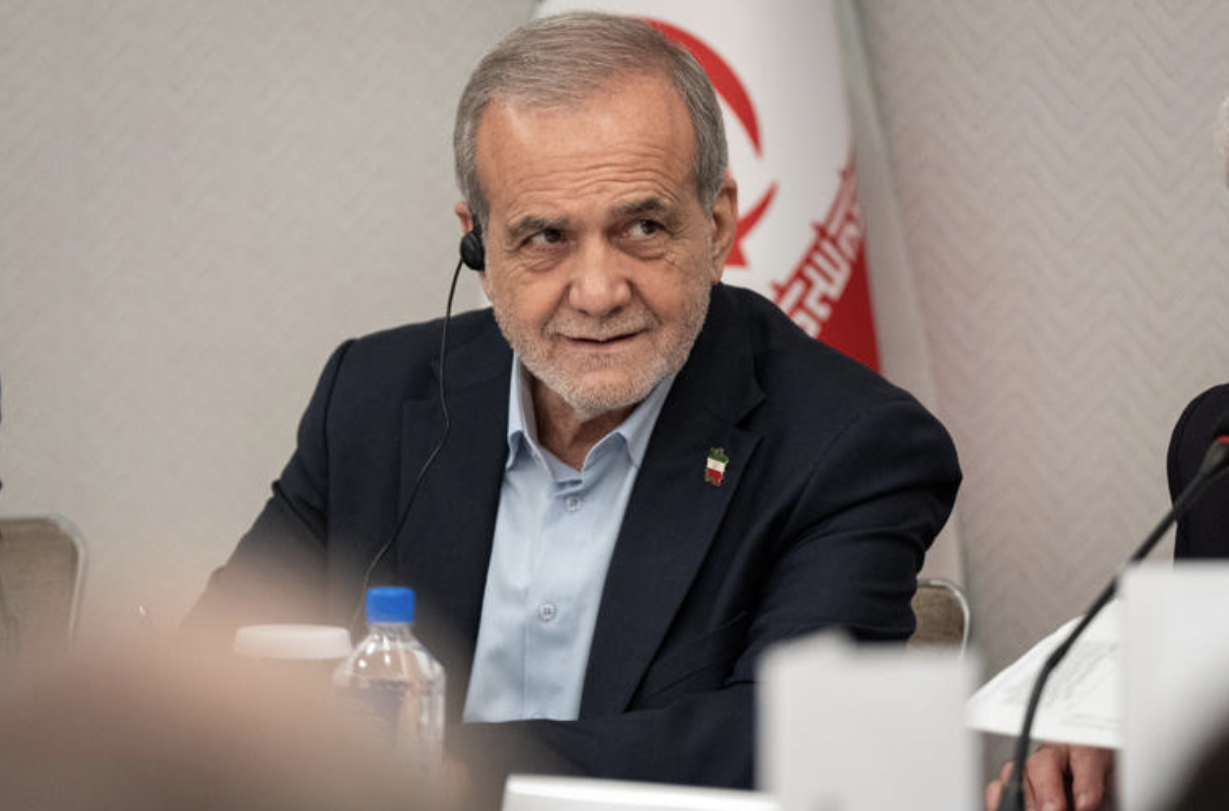
Iran enters the week under mounting strain, juggling stalled talks with the United States, fresh sanctions, and a volatile standoff in the Strait of Hormuz that has nearly frozen global oil shipments. President Masoud Pezeshkian is defending the U.S. memorandum as Iran’s best path out of deadlock, while Tehran warns Gulf states against backing Washington’s pressure campaign. With Pakistan stepping in as mediator and domestic hardship deepening, the coming days could shape whether the crisis escalates or edges toward negotiation.

No Tower Catch on Flight 14 — SpaceX Says the Ship Could’ve Been Caught If a Tower Were at Sea.
SpaceX Delays Starship Tower Catch on Flight 14 as Musk Targets 30+ Launches Per Day by 2030

How much better is the new Tesla Model 3?
The Tesla Model 3 gets a closer look as a modern electric sedan designed for everyday driving and family use. The review focuses on the […]

Tesla Largest-Ever Recall in China, Millions Affected
Tesla is carrying out its largest-ever recall in China, affecting millions of vehicles across nearly every major model line. The issue isn’t mechanical — it’s […]
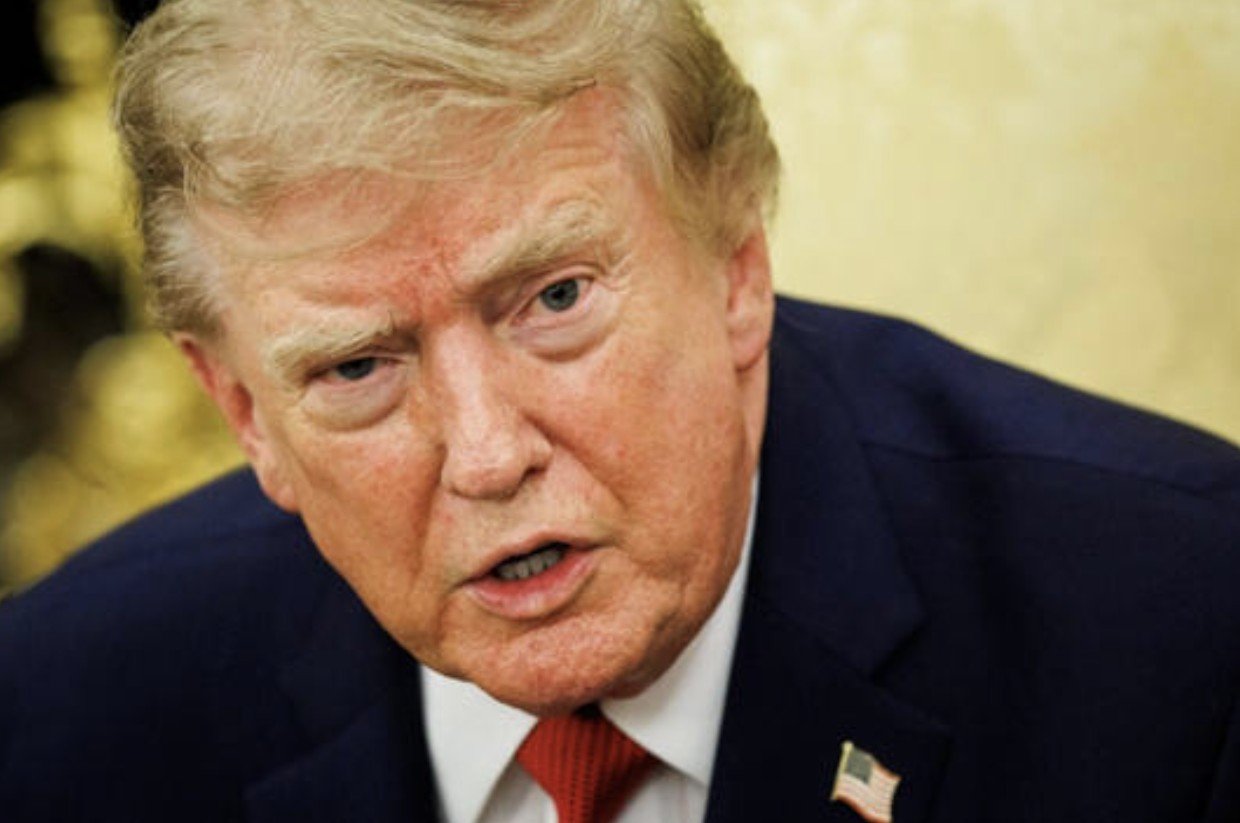
Trump Family Nets $1B — Now He’s Pushing a Crypto Bill.
A concise roundup of today’s top tech stories, including Berkshire Hathaway’s latest AI stock buy, Trump’s push for a crypto bill after a $1B family […]
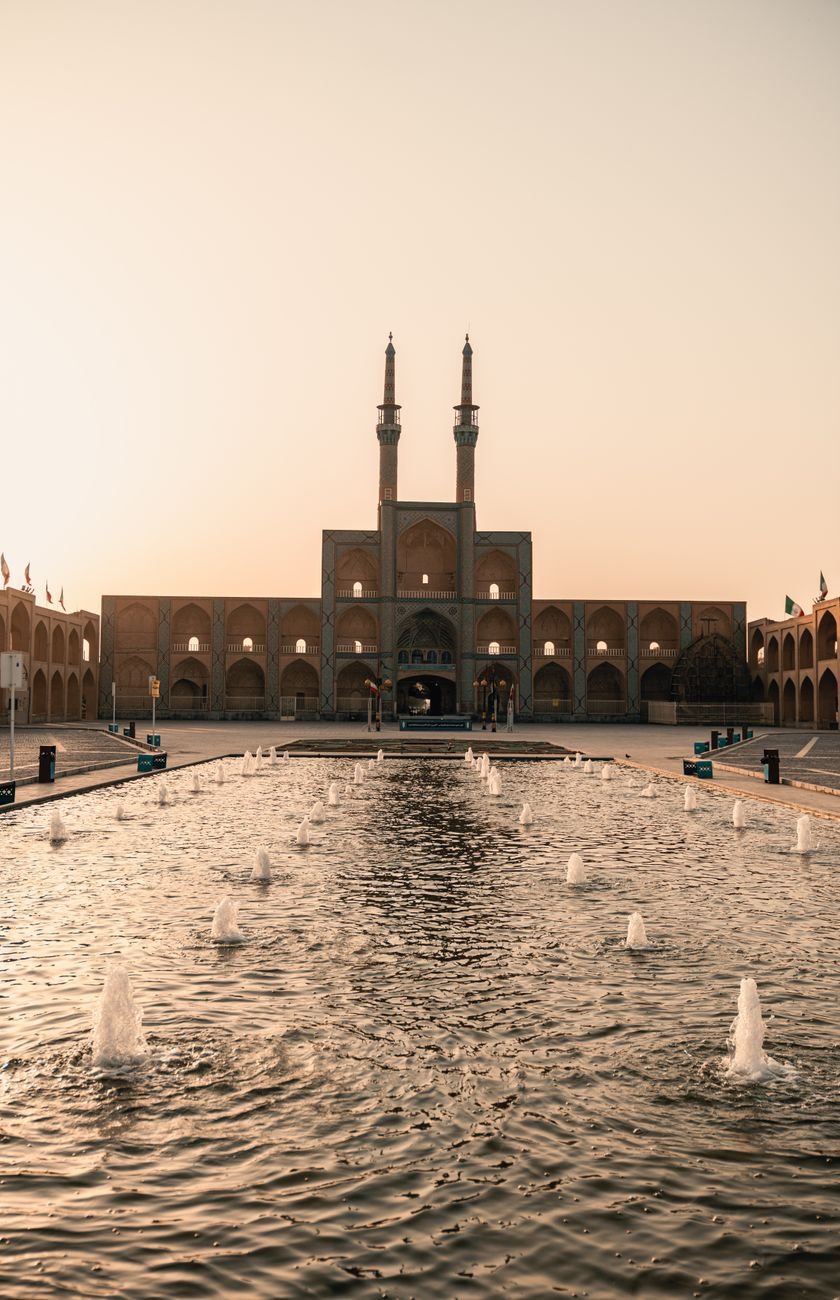
History of Iran in the 20th Century
A clear, engaging overview of Iran’s turbulent twentieth century—from the decline of the Qajar dynasty and Pahlavi modernization to the 1953 coup, the 1979 Revolution, and the Islamic Republic’s rise as a regional power. Explore the historical forces that still shape Iran’s global behavior today.