Iran Faces Rising Pressure as Hormuz Standoff, Sanctions, and Regional Tensions Intensify
Iran Enters the Week Under Intensifying Pressure
Iran heads into the week facing a tightening ring of geopolitical, economic, and regional challenges. Negotiations with the United States remain stalled, tensions across the Gulf are rising, and new sanctions are squeezing an already strained economy. Across major international outlets, coverage converges on a few dominant themes: Tehran’s defiant posture toward Washington, diplomatic maneuvering by regional players, and domestic signals that reveal both vulnerability and resilience inside Iran.
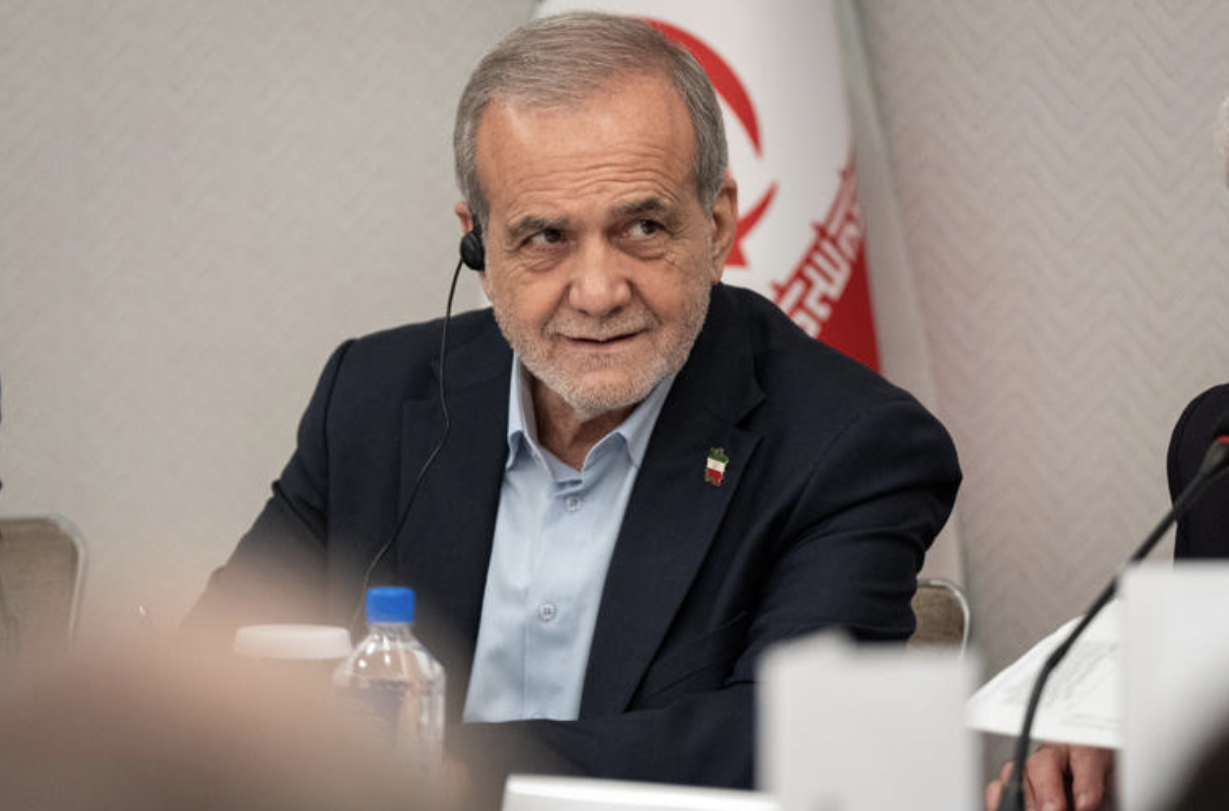
Pezeshkian Defends U.S. Memorandum as Iran’s Best Exit From Deadlock
President Masoud Pezeshkian doubled down on the memorandum of understanding signed with Washington in June, calling it the “best possible path” to end the war and stabilize Iran’s future. He dismissed claims that Tehran conceded ground, insisting the deal reflects “dignity, wisdom, and national interest.”
With the 60‑day deadline now expired and no breakthrough in sight, Pezeshkian warned that Iran cannot attract investment while stuck in a limbo of “neither war nor peace,” a phrase increasingly echoed by analysts tracking Iran’s economic trajectory.
Tehran Warns Gulf States: Back U.S. Sanctions and You’re an Enemy
Iran’s national security leadership issued unusually blunt warnings to neighboring Gulf states: any country that joins Washington’s sanctions push will be treated as an enemy, and Tehran will retaliate against their interests.
The message landed as President Donald Trump escalated rhetoric online — including reposting a map labeling the Strait of Hormuz as “NEW US Territory,” a move that further inflamed regional sensitivities and added fuel to an already volatile standoff.
Strait of Hormuz Standoff Deepens, Oil Shipments Nearly Frozen
The Strait of Hormuz remains the central flashpoint. Iran continues to threaten strikes on unauthorized tankers attempting passage, effectively freezing one of the world’s most critical energy corridors.
A handful of Iraqi tankers have been allowed through, but the broader shutdown persists. With no compromise on the horizon, global markets remain on edge as the standoff drags into another week.
Pakistan’s Army Chief Heads to Tehran for High‑Stakes Mediation
Pakistan’s Army Chief, General Asim Munir, will travel to Tehran on August 24 as Islamabad expands its role as a mediator between Iran and the United States. The agenda is expected to include Trump’s threat of “the toughest sanctions in history,” regional security concerns, and fallout from the Pakistan‑Turkey‑Saudi agreement.
The visit underscores Pakistan’s growing diplomatic weight and its attempt to position itself as a stabilizing force in a rapidly shifting regional landscape.
Iran Announces Major Gas Discovery Worth ‘Tens of Billions’
Amid mounting economic pressure, Iran unveiled a major natural gas discovery in Fars province — more than 7.5 trillion cubic feet, with roughly 5.7 trillion recoverable. Officials say the find could equal 15 years of production from a major South Pars phase and serve as a “new source of wealth” at a moment when the country desperately needs fresh revenue streams.
Domestic Strain: Government Acknowledges ‘Many Problems’ Facing Citizens
Pezeshkian publicly acknowledged the depth of domestic hardship as new U.S. sanctions aim to “collapse” Iran’s economy. Inflation, unemployment, and public frustration continue to climb. The president insisted the government is working to blunt the impact, but the pressure is increasingly visible across daily life.
Regional Violence Spreads Across Syria and the West Bank
Iran‑related tensions continue to ripple across the region:
- An Israeli drone strike in southwestern Syria injured civilians.
- In the West Bank, Israeli forces killed a 14‑year‑old Palestinian during a raid.
Both incidents highlight how the Iran‑U.S. confrontation is feeding instability far beyond Iran’s borders.
Oil Route Shutdown Threat Raises Stakes for Gulf States
Iran warned it may shut down oil routes if Gulf nations back Trump’s sanctions campaign, signaling a willingness to escalate beyond rhetoric. With the Strait of Hormuz already constrained, the threat adds fresh volatility to global energy markets and raises the risk of broader disruption.
Conclusion: A Nation Balancing Defiance and Vulnerability
Today’s headlines capture Iran in a moment of sharp contradiction — defiant toward U.S. pressure, assertive in regional diplomacy, yet increasingly strained at home. The Strait of Hormuz remains frozen, Gulf states face mounting threats, and Pakistan is stepping into a mediator role that could shape the next phase of the crisis.
Whether the coming days bring escalation or a tentative opening for negotiation will depend on decisions made in Tehran, Washington, and across the Gulf — decisions that carry consequences far beyond the region.